
Mardi Himal Trek

2 Reviews in TripAdvisor
Duration
9 Days
Trip Grade
Moderate
Country
Nepal
Maximum Altitude
4,500 m/14,763 f
Starts
Kathmandu
Ends
Kathmandu
Group Size
1-12
Activities
Trekking
Best Time
Spring, Autumn, Winter

Highlights

  • Enjoy an adventurous trek in the Annapurna region on the Mardi Himal route
  • A less crowded alternative to Ghorepani Poon Hill and Annapurna Base Camp treks
  • Excellent for trekkers looking for an offbeat terrain experience
  • Enjoy stunning mountain vistas, beautiful landscapes, and a gorgeous sunrise from Mardi Himal Base Camp
  • Trek through dense forests of rhododendron, pine, and oak, and gradually ascend to alpine scrub 
  • Enjoy steep uphill and downhill climbing throughout the trail
  • See an authentic rural lifestyle in Sidding village
  • Explore Kathmandu and Pokhara
  • A perfect short, affordable trek with breathtaking mountain vistas and adventure
  • Ideal for all ages of trekkers, including kids and elderly travelers

Overview

In the Annapurna region, there are many adventurous trekking routes, and the Mardi Himal trail is one of them. The Mardi Himal trek is known for its wilderness, offbeat terrain, and breathtaking mountain vistas. Cultural encounters are comparatively less on the Mardi Himal trek route, but trekkers get to enjoy nature and peace to the fullest.

The Mardi Himal trek is a great choice for trekkers who are looking for a quieter trek in the Annapurna region. This trek is widely famous among local tourists and is also visited by a good number of foreigners every year.

In the peak trekking seasons (spring and autumn), when famous treks like Annapurna Base Camp and Ghorepani Poon Hill are busy with trekkers from all around the world, the Mardi Himal trail offers an excellent, less crowded alternative.

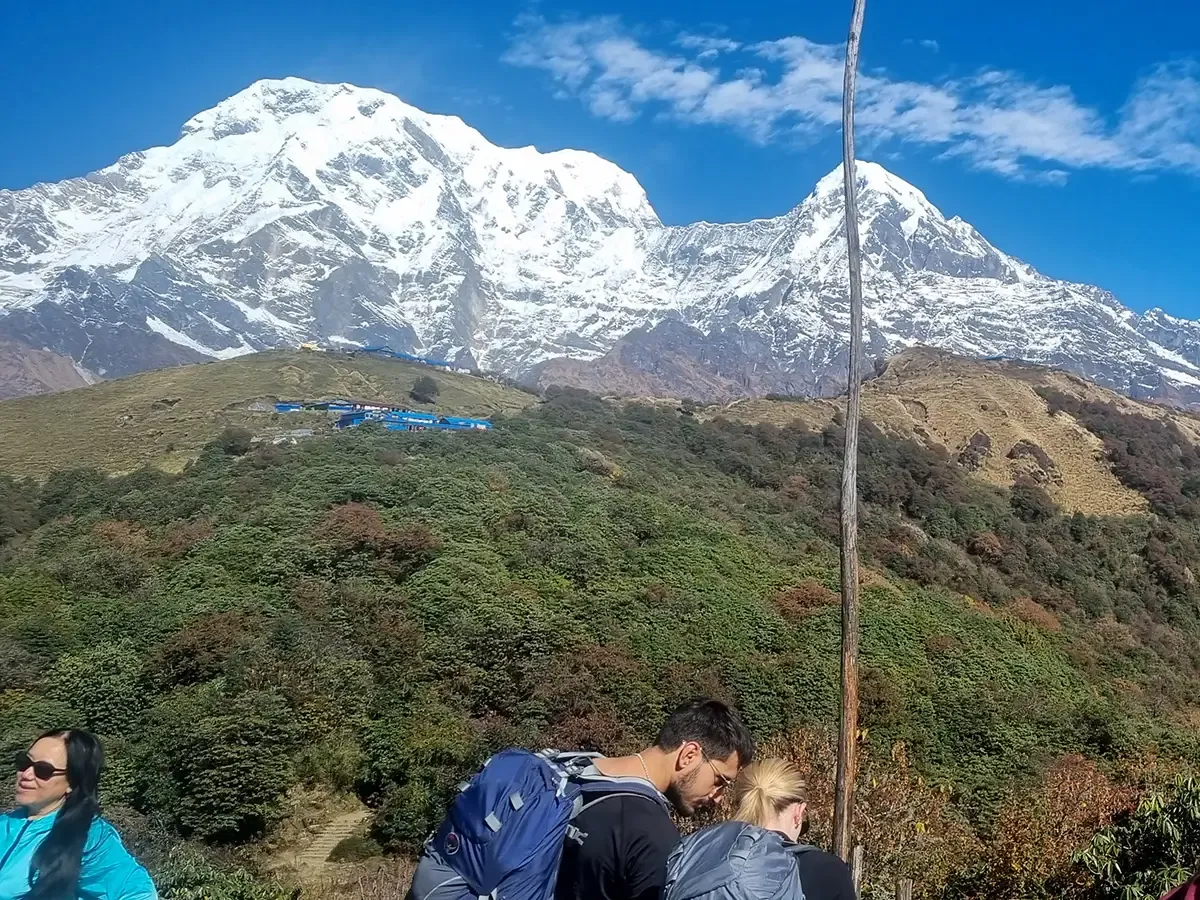
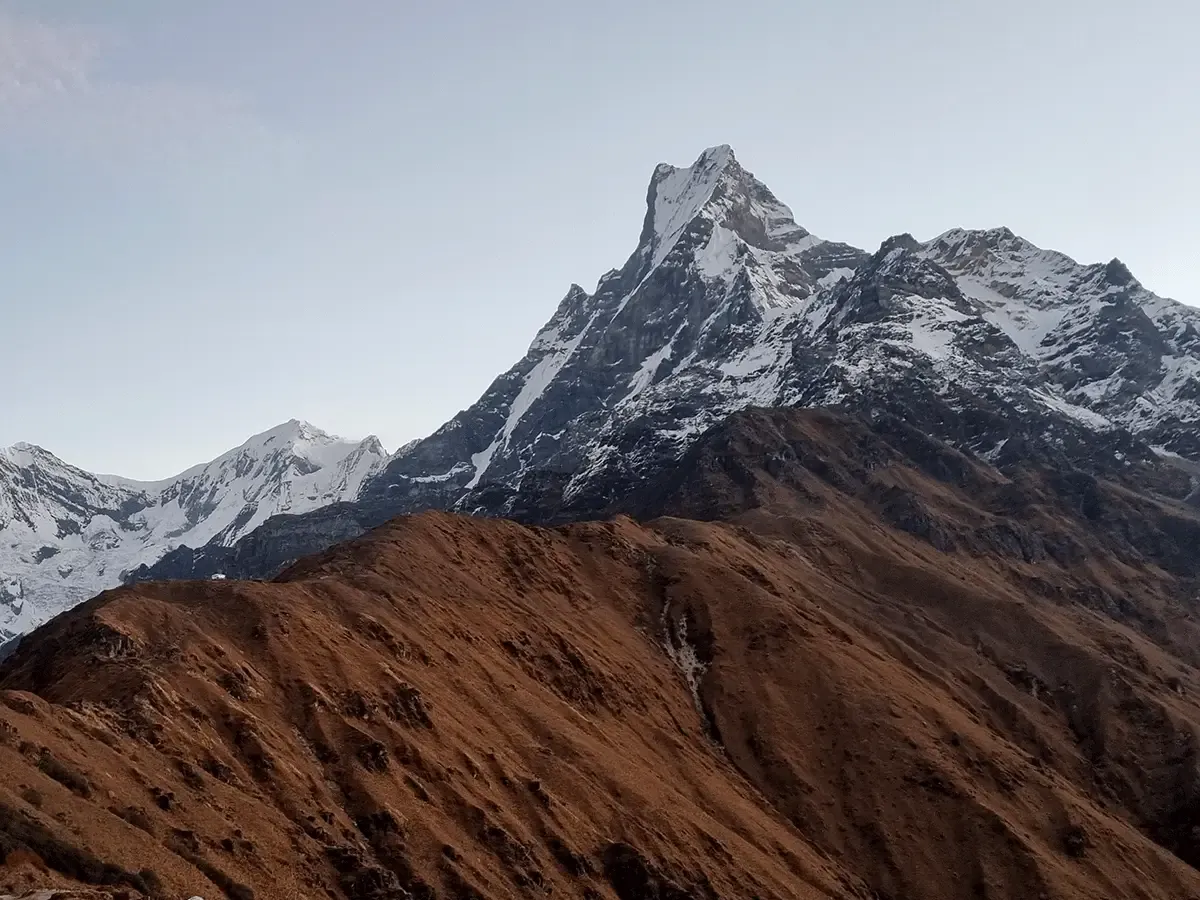
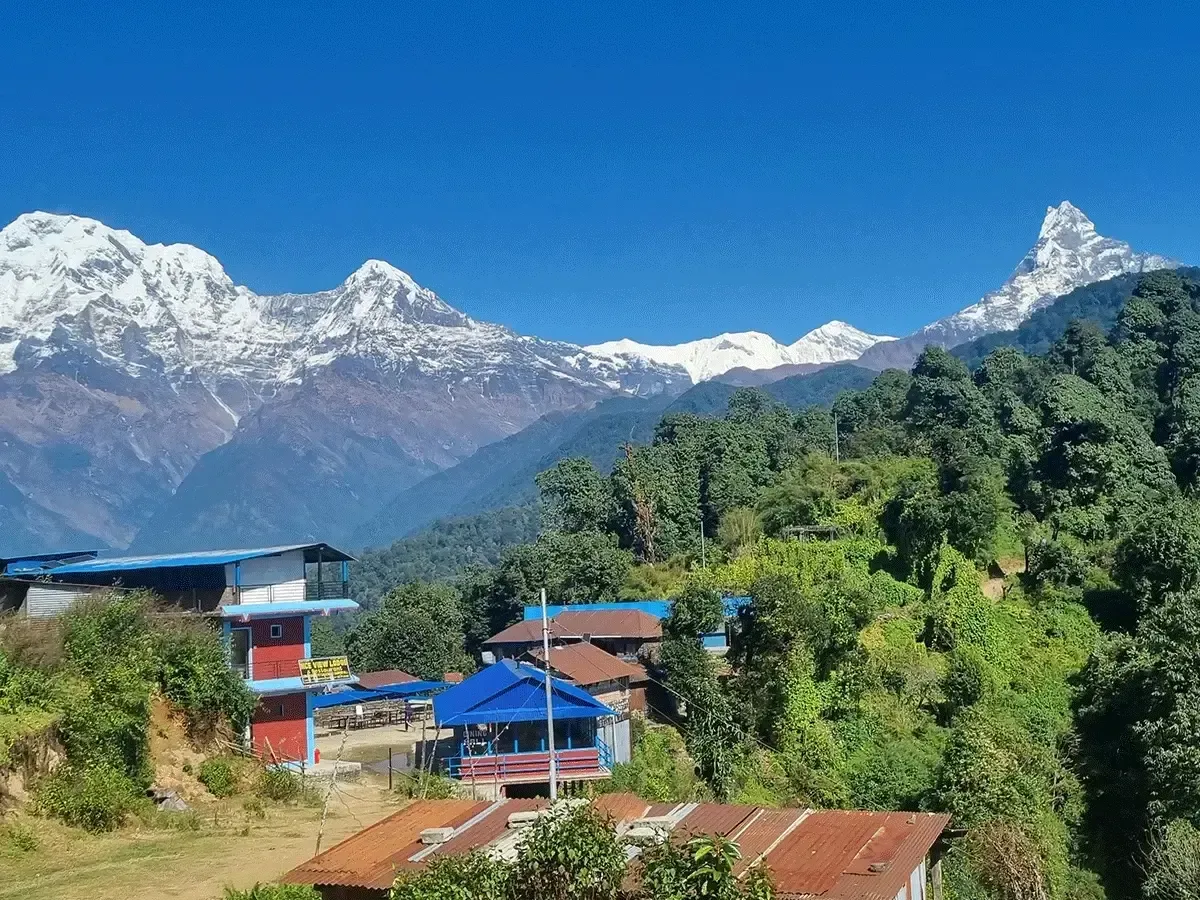
The mountain views during the Mardi Himal trek are also incredible. You will see some of the finest views of mountains, such as Annapurna, Machhapuchhare (Fishtail), Hiunchuli, Nilgiri, Mardi Himal, Dhaulagiri, etc.

*The Mardi Himal trek and Mardi Himal Base Camp trek are the same.

Given the moderate difficulty level of the Mardi Himal trek, trekkers of all ages can do it. The terrain is offbeat but not technical or extremely challenging. With the guidance of our mountain leaders, you can complete the Mardi Himal trek 9 days without a scratch.

We love the good pace of the Mardi Himal trek route. The trail gradually ascends through several camps and takes you to Mardi Himal Base Camp. Mardi Himal Base Camp is the highest point of this trek.

You will be trekking through forested hills that get dense and damp as you ascend higher. The night stops along the Mardi Himal trail are basically camps that were established when the Mardi Himal trek route was first introduced.

Every camp has teahouses where trekkers spend the night. In 3 to 4 days of hiking, you will ascend above treeline and follow a narrow ridge that leads to the Mardi Himal Base Camp.

The slow increase in elevation allows trekkers to acclimatize and avoid altitude sickness. While returning from the base camp, you will follow the same trail till Low Camp and descend to Sidding village following a separate route.

Overall, Mardi Himal trek 9 days is an adventurous venture in the Annapurna region. It is ideal for both beginner and experienced backpackers. The journey is outstanding and will satisfy your mountain cravings to the fullest.

The Mardi Himal trek distance, duration, and elevation

On the Mardi Himal trek, you will walk around 40 to 50 kilometers. Depending on the itinerary, the distance can be a little less or more, but on average, around 40 km (25 miles) walking is given.

Our Mardi Himal trek itinerary is nine days long. In nine days, you will spend five days trekking and the remaining four days traveling to/from Kathmandu and Pokhara.

Likewise, the Mardi Himal trek begins in Kande, which can be reached in under an hour's drive from Pokhara. Kande is a small village located at 1,770 meters (5,807 ft) above sea level.

From Kande, ascend to Pitam Deurali to spend the first night. Then, continue trekking to Mardi Himal Base Camp (4,500 m/14,763 ft), spending the night at Forest Camp (2,600 m/8,530 ft) and High Camp (3,580 m/11,745 ft) on the way.

What to expect during the Mardi Himal trek?

The 9 days Mardi Himal trek 9 days is a short trip to Nepal. Travelers get to explore two famous tourist cities in Nepal, Kathmandu and Pokhara, and hike in the Annapurna Himalayas.

The Mardi trek is a great introduction to trekking in the Himalayas. If you are planning to visit Nepal for the first time and are interested in trekking, the Mardi Himal trek is a good start.

We have shared more about things that you expect during the Mardi Himal trek below:

Your time in Kathmandu:

Kathmandu is the capital of Nepal. Most foreign tourists begin their journey in Kathmandu. You will spend a short time in Kathmandu, but it will be filled with memories.

In Kathmandu, you can visit tourist sites such as Bouddha Stupa, Monkey Temple, Pashupatinath Temple, and Kathmandu Durbar Square. Then, you will have ample time to shop for trekking gear and souvenirs in Thamel.

Drive between Kathmandu and Pokhara:

The Mardi Himal trek begins from Pokhara. We use a comfortable tourist bus to travel between Kathmandu and Pokhara. The road is in good condition and follows rolling green hills and rivers. You will enjoy the beautiful scenery during the ride.

Incredible walk through dense forests:

From Kande, the trail goes through forests of rhododendron, magnolia, oak, and pine. Before the trail opens up to a wider valley, you will walk through a dense forested route

A short but adventurous trek:

The Mardi Himal trek is a short trip. It is ideal for travelers who are on a short holiday in Nepal or not ready to commit to the usual 12 to 14-day trek.

Although the Mardi trek is short, you will not miss out on the adventure. The Mardi Himal trek route's wilderness and remoteness will keep you on your toes.

Stunning scenery and mountain vistas:

The scenery and mountain views along the Mardi Himal trail are outstanding. You will see beautiful views of lush hills and terraces.

Tall snow-capped mountain views peek through the densely forested trails in some places, creating extraordinary scenery.

As the valley opens up, you will see peaceful meadows and stunning mountains such as Annapurna, Fishtail, Dhaulagiri, Nilgiri, Hiunchuli, etc.

Peaceful break in nature:

The Mardi Himal trek is an excellent break from the busy city life. You will enjoy a peaceful time in nature that will help you unwind. Daily 5 to 6 hours of walking will also rest your body and mind, which will make you feel rejuvenated.

Simple tea house accommodations:

The accommodation on the Mardi Himal trek route is a simple teahouse. Spending nights in teahouses is a unique experience in itself. Small rooms, minimal furniture, shared washrooms, and warm dining halls will make your time at the teahouse humble yet full of gratitude.

Companionship of fellow travelers and the locals:

On the Mardi Himal trek route, you will meet with many Nepali and foreign trekkers. Likewise, the locals are also welcoming and love to interact with tourists. Small interactions with them will make your journey more meaningful and lovely.

Two-night stays in Pokhara:

You will have two nights in Pokhara, the second biggest city in Nepal. Here, you will explore Phewa Lake and the bustling Lakeside Market. If time allows, you may also visit other tourist sites around the city, such as Davi's Falls and Gupteshwor Cave.

The Mardi Himal trek itinerary

Following our Mardi Himal trek itinerary, you will spend nights at the following places along the trail:

Pitam Deurali:

Pitam Deurali will be your first night stop. From Kande, you will mostly walk on a stone stairway along lush hills. The trail goes through Australian Camp and passes by Pothana. You will enjoy the chirping of birds, fresh air, and the soothing scent of nature on the way.  

Forest Camp:

From Pitam Deurali to Forest Camp, the hike will be moderate and scenic. The route leaves the main Annapurna trail and follows a separate, quieter route to Forest Camp. You will trek through rhododendron forests and oak trees. The trail offers stunning views of Annapurna South and Mt. Fishtail.

High Camp:

Leaving Forest Camp, you will ascend to High Camp. It will be around 4-5 hours of steep uphill walking through dense rhododendron forests that gradually transition to alpine scrub. On the way, you will pass through Low Camp (3,050 m) and Badal Danda (3,250 m).

Low Camp:

After the hike to Mardi Himal Base Camp, you will descend to Low Camp the same day to spend the night. Low Camp is a famous night stop on the Mardi Himal trail.

Mardi Himal Base Camp

From High Camp, the trail steeply ascends to the Mardi Himal Base Camp. To enjoy a gorgeous sunrise from the base camp, you will begin hiking at 5:00 AM. In around three hours of climbing, you will reach Mardi Himal Base Camp.

A magnificent mountain panorama and gorgeous sunrise will welcome you. After enjoying the view, you will trace your steps back to High Camp and descend to Low Camp the same day to spend the night.

Sidding village

You will reach Sidding village on the last day of the trek. It is a beautiful village where you can see the authentic rural lifestyle of the Nepali. The village is surrounded by terraced fields, traditional houses, and lush greenery. The Gurung community is the major inhabitant of Sidding village, but you will meet other Nepalese communities, too.

Is the Mardi Himal trek 9 days suitable for you?

  • The Mardi Himal trek is suitable for all ages. It is a beginner-friendly trek with a great pace and low risk of altitude sickness.
  • Similarly, the Mardi Himal trek is also great for trekkers looking for a less popular trekking option in the Annapurna region but wish to see spectacular mountain vistas.
  • We also recommend the Mardi Himal Base Camp trek to trekkers looking for an offbeat terrain experience.

How to prepare for the Mardi trek?

To prepare for the Mardi Himal trek 9 days, you have to exercise. Walking 5 to 6 hours a day requires good stamina and endurance. Likewise, you will also need strength and mental readiness to trek in the Himalayas.

  • Physical fitness: Strength training, cardio exercises, and daily walking are recommended. Depending upon your fitness, start exercising 4 to 8 weeks before the trek begins.
  • Mental readiness: Learn about the Mardi Himal trek's challenges, limitations, weather, and facilities. By being aware of the trek route, you are most likely to adjust without much uneasiness.
  • Packing: Packing is a very important aspect of preparing for the Mardi Himal trek. You need alpine environment-friendly clothes that are breathable and moisture-wicking. Likewise, you also need trekking gear like poles, shoes, bags, UV sunglasses, a buff, etc.
  • Budget: Planning the expenses is also very important. Apart from the Mardi Himal trek package cost, you also have to budget for flight tickets to/from Kathmandu, gear expenses, shopping, and personal expenses.
  • Documents: Make sure your passport has at least six months of validity from the day you plan to enter Nepal for the Mardi Himal trek. Get your recent passport-sized photos taken and buy travel insurance.

Mardi Himal trek cost and booking 2026

The Mardi Himal trek cost may vary depending on the itinerary and services in the package. Nevertheless, it is one of the most affordable treks in Nepal.

Our Mardi Himal trek costs between USD XXX to USD XXX per person. You can also customize the trek to suit your budget and requirements.

Bookings are open for the Mardi Himal trek 2026 departure. If you have any queries, feel free to talk to us anytime.

Why do the Mardi Himal trek with Mountain Life Treks?

  • Free airport transfers upon arrival and departure to/from Kathmandu Airport
  • Complimentary Mardi Himal trek map, sleeping bag, down jacket, and oximeter to use during the trek
  • 100% guaranteed departure
  • Fixed group and private departures available for solo trekkers and small groups
  • Professional mountain leaders and porters to accompany you during the trek
  • Your safety is our priority
  • 24/7 assistance and a dedicated travel consultant to support you throughout the trip
  • Sustainable and eco-friendly travel practice
  • First aid kit with oximeter
  • Trek certificate
Still Confused?
No worries - our team is ready to guide you every step of the way.

Cost Details

Includes

  • Airport pick-ups and drop-offs by private four-wheeler
  • Kathmandu to Pokhara (tourist bus both sides), Pokhara to Kande (jeep), and Sidding to Pokhara (jeep)
  • 2 nights in a 3-star hotel in Kathmandu (twin-sharing accommodation)
  • 2 nights in a 3-star hotel in Pokhara (twin-sharing accommodation)
  • 4 night teahouse accommodation during the trek
  • Three meals (breakfast, lunch, and dinner with tea/coffee and seasonal fruit) a day during the trek
  • Licensed Nepali guide and porter (one porter for two trekkers)
  • Assistant guide for groups of 5 or more people
  • Accommodation, food, allowance, and high altitude insurance for the guide and porter
  • TIMS Card
  • Annapurna Conservation Area permit
  • Down jacket, trekking poles, and a four-season sleeping bag to use during the trek
  • Exclusive first-aid kit, including oximeter
  • Helicopter evacuation arrangement (expenses should be covered in your travel insurance)
  • Trip achievement certificate
  • All government taxes and service charges

Excludes

  • Nepal travel visa fee (USD 30 for 15 days, USD 50 for 30 days, and USD 125 for 90 days)
  • International flight to/from Kathmandu
  • Travel insurance (must cover helicopter evacuation and medical bills)
  • Lunch and dinner in Kathmandu
  • Trekking clothes and gear
  • Shopping and souvenirs
  • Tips for driver, guide, and porter
  • Bar bills, water bottles, and other beverages
  • Personal expenses during the trek (like WiFi, charging, and hot showers)
  • Departure taxes
  • Any expenses not mentioned in our cost include section

Note: If you return earlier from the Mardi Himal trek due to sickness or any other issue, the money for unused service is nonrefundable. In addition to that, you have to bear any additional expenses such as transportation, accommodation, and meals in Kathmandu and Pokhara.  

Mardi Himal Trek Equipment Lists

To pack for the Mardi Himal trek, follow the list below:

Head
Head
  • Sun Cap 
  • Wool/Fleece Hat 
  • Neck Gaiter/High Neck
Hands
Hands
  • Wind Stopper Fleece Gloves
Upper Body
Upper Body
  • Short-Sleeved Shirts/T-shirts 
  • Lightweight Top/Thermo Coat  
  • Synthetic or Fleece Jacket 
  • Down Insulated Jacket 
Lower Body
Lower Body
  • Underwear 
  • Lightweight Long Underpants  
  • Insulated Trekking Pants 
  • Trekking Socks 
  • Trekking Boots
Toiletries
Toiletries
  • Sunscreen (high SPF) 
  • Lips Guard (with SPF) 
  • Baby Wipes or Wet Towels 
  • Hand Sanitizers and hand wash 
  • Wet Tissues 
  • Toothpaste and Toothbrush 
  • Bath Soap and Shampoo
  • Moisturizers  
  • Laundry Soap 
  • Garbage Bag 
Travel Documents
Travel Documents
  • Valid Passport 
  • Valid Visa 
  • 4 PP Size Photo 
  • Insurance Paper (Medical & Rescue) & Contact Address 
  • Family/Company Contact Number & Address 
  • Credit Card
Climbing Equipment
Climbing Equipment
  • 1 Sleeping Bag: -30 +C to -40 +C 
  • Sunglasses UV Protection 
  • Extendable Trekking Poles (BD Alpine Flz)
Miscellaneous
Miscellaneous
  • Swiss Knife (optional)
  • Water Purification Tablets 
  • Sandals 
  • Rucksacks (45 - 55 Ltr.) 
  • 1 Duffel Bag (provided by us)
  • Reusable Water Bottle
  • Umbrella/RainCoat 
  • Spare batteries 
  • Waterproof Stuff Sacks 
  • Solar chargeable power bank (optional)
  • Journal/Pen
  • Book/Board Game
  • Bars & Snacks
  • First-Aid Kit

Essential Information

Mardi Himal trek difficulty

The Mardi Himal trek is moderately challenging. It means this trek is suitable for beginner trekkers with decent fitness. The trail includes steep ascents, narrow ridges, and rocky terrain, which make Mardi Himal an offbeat trek but not super challenging.

Trekkers can expect six hours of hiking each day. The Mardi Himal trek route does not have many services. So, trekkers have to adjust to limited facilities, simple accommodation, and shared washrooms.

  • Difficulty: Moderately challenging but manageable if you prepare
  • Hiking duration each day: 5 to 6 hours a day
  • Terrain: Steep, rugged terrain with narrow ridges
  • Altitude: The trek begins from Kande (1,770 meters) and ascends to 4,500 meters (Mardi Himal Base Camp).
  • Climate: Climate changes with the change in elevation. The higher you ascend, the colder the climate will get.
  • Services: Bare minimum services, and booking accommodation in advance is necessary in the peak trekking seasons.

Altitude sickness during the Mardi Himal trek

The highest altitude you reach during the Mardi Himal trek is 4,500 meters. Although it is not as high as other popular treks in Nepal, you will still travel above 2,500 meters. So, the risk of altitude sickness remains.

With that being said, the Mardi Himal trek is also a short trek. You will only spend around five days in the mountains. You will hike to 4,500 meters and return to Pokhara literally in the blink of an eye.

So, if you follow the preventive measures mentioned below, you are most likely to complete this trek without altitude sickness:

  • Be aware of the symptoms of altitude sickness. They are headache, nausea, dizziness, vomiting, loss of appetite, insomnia, and breathlessness. If you see these symptoms or feel uneasy, address them on time to avoid altitude sickness.
  • Maintain a steady pace and do not rush.
  • Keep yourself hydrated. Drink at least 2 liters of water daily.
  • Avoid alcoholic drinks and smoking while ascending. Likewise, have caffeine (tea/coffee) in moderation.
  • Get proper sleep and have carbohydrate-rich meals daily to have enough energy to walk six hours a day.

Travel insurance for the Mardi Himal trek

We recommend trekkers buy travel insurance for the Mardi Himal trek just in case they get hurt or extremely sick during the trek and require helicopter evacuation. Without travel insurance coverage, a helicopter evacuation can be delayed. So, it is best that you get the coverage.

Mardi Himal trek permit

You will need two permits for the Mardi Himal trek, and they are:

  • TIMS Card
  • Annapurna Conservation Area Project (ACAP) permit

Accommodation during the Mardi Himal trek

On the Mardi Himal trek, you will experience simple but comfortable accommodation. The tea houses are limited at each night's stops, so booking in advance is necessary, especially during the spring and autumn seasons when high numbers of trekkers hit the Mardi Himal trail.

Our Mardi Himal trek package includes a 3-star hotel in Kathmandu and Pokhara. Twin sharing and single rooms are available. You will have a private washroom and all modern amenities.

During the Mardi Himal trek, we book twin shared rooms. Single rooms on this trek are quite limited. Hot showers and charging are available but cost extra money (not covered in our Mardi Himal trek package).

  • Accommodation during the trek: Teahouses- runned by local families, simple but clean and cozy
  • Rooms: Twin-shared rooms
  • Single rooms: For a single room, you have to pay extra money and inform us early
  • Toilets: Shared washrooms, squat-style toilets are common, Western-style toilets are found in some teahouses

*Our Mardi Himal trek package cost does not include personal expenses such as WiFi fee, charging fee, and hot showers during the trek.

Food during the Mardi Himal trek

Our Mardi Himal trek package includes three meals a day during trekking and only breakfast in Kathmandu and Pokhara. You will have breakfast, lunch, and dinner in the teahouse.

Compared to Kathmandu and Pokhara, the food options will be very limited on the Mardi Himal trek route. Nevertheless, the available options are delicious, filling, and nutritious.

  • Breakfast: The breakfast menu usually includes toast, eggs, potatoes, porridge, muesli, oats, pancake, and Tibetan bread with tea or coffee.
  • Lunch and dinner: Lunch and dinner include dal bhat, fried rice, rice with curry, stew, soups, thukpa, pasta, noodles, momo, etc.
  • Drinking water: Boiled water is available in all teahouses along the Mardi Himal trek route for drinking at an affordable price.

Mardi Himal trek best time

The best time or season for the Mardi Himal trek is spring (March to May) and autumn (September to November). Stable weather and moderate climate in these months make trekking enjoyable.

On the other hand, the weather and climate are not favorable in summer/monsoon (June to August) and winter (December to February). The trail condition is not good either.

Spring (March to May):

Spring is one of the best times for the Mardi Himal trek. The trail is covered with rhododendron blooms, and the mountain views are also crystal clear.

Autumn (September to November):

Autumn is also a great time of the year to do the Mardi Himal trek. The air is crisp, and the mountain views are incredible. Likewise, the weather and climate are also favorable for trekking.

In addition to that, autumn is a festival period. So, you will have a great insight into Nepali culture and traditions.

Summer/monsoon (June to August):

Summer and monsoon overlap each other. The lower part of the trail is very hot. As you ascend, the temperature drops, but unpredictable weather makes trekking in this season challenging.

Once rainfall begins, the trail becomes muddy and slippery. Landslide risk increases all over the trail, and the views are also not that great.

Winter (December to February):

Winter is also considered off-season for the Mardi Himal trek due to adverse weather and harsh cold climate. But it is a great time for trekkers looking for a peaceful trail and who love winter landscapes.

Snow begins to fall around late December and January, making the trail even more enchanting. On sunny days, the mountain views are great, but there are also gloomy days.

Mardi Himal Trek FAQs

Q1. Where is Mardi Himal located?

The Mardi Himal is located in the Annapurna region, east of Annapurna Base Camp and beneath the south face of Mount Machhapuchhare (Fishtail).

Q2. How long is the Mardi Himal trek?

You can complete the Mardi Himal trek in just 9 days. The trekking part is only five days long.

Q3. What is the highest point on the Mardi trek?

The highest point reached on the Mardi Himal trek is the Mardi Himal Base Camp situated at 4,500 meters (14,764 ft) above sea level.

Q4. Where does the Mardi Himal trek start and end?

The Mardi Himal trek starts from Kande and ends at Sidding village. Both these places are located close to Pokhara and can be traveled to in under two hours.

Q5. How do I get to the Mardi Himal trek start point?

To reach the Mardi Himal trek starting point, first you have to travel from Kathmandu to Pokhara. Then, from Pokhara, you can take a short jeep ride to Kande to begin the trek.

Q6. Is the Mardi Himal trek worth it?

The Mardi Himal trek is known as a peaceful and raw alternative to the popular Annapurna Base Camp trek. This trek offers incredible mountain vistas, a somewhat peaceful trail, and a much more wild experience. So, yeah, the Mardi Himal trek is 100% worth it.

Q7. Is Mardi Himal better than Poon Hill?

The Mardi Himal trek is a bit challenging, raw, and an offbeat alternative to the Poon Hill trek.

The Mardi Himal trek route sees fewer trekkers than Poon Hill and also offers a somewhat authentic experience due to a lack of trekking infrastructure.

Both treks are incredible. You should pick between these treks depending on your interest.

Q8. Is Mardi Himal less crowded than Annapurna Base Camp?

Yes, the Mardi Himal trek route is less crowded than the Annapurna Base Camp trek route.

Q9. How difficult is the Mardi Himal trek?

The Mardi Himal trek difficulty is moderate. It is an entry-level offbeat trek that anyone can do. You only have to be able to walk 6 hours a day and be fine with high altitude to do this trek.

Q10. Is the Mardi Himal trek suitable for beginners?

Yes, the Mardi Himal trek is suitable for beginner trekkers. If you are a beginner trekker and looking for a less famous trekking program in the Annapurna region or wish to experience an offbeat trail, the Mardi Himal trek is perfect for you.

Q11. Do I need to be very fit for the Mardi Himal trek?

NO, you do not have to be very fit for the Mardi Himal trek. This trek is good for trekkers with average fitness.

Q12. Why is Mardi Himal called a hidden gem trek?

The Mardi Himal trek route was introduced in 2008. So, not many foreigners are aware of the Mardi Himal trek. It has made the Mardi Himal trail a gem for foreigners.

Q13. What is the best time to do the Mardi Himal trek?

The best time to do the Mardi Himal trek is in the spring (March to May) and autumn (late September to November) seasons. These seasons have ideal weather, climate, and trail conditions for the Mardi Himal trek.

Q14. Can you trek Mardi Himal in winter?

Yes, the Mardi Himal trek is possible in the winter season. The trail remains empty, and the winter landscapes are amazing. The views might not be clear on some days when the sky is gloomy.

Q15. Is the Mardi Himal trek possible in the monsoon?

We do not recommend the Mardi Himal trek in the monsoon season (between June and early September). Heavy rainfall ruins the trail. The trails get slippery and muddy. Likewise, the hilly areas are at high risk of landslides.

Q16. Does it snow on the Mardi Himal trek route?

Snow falls on the Mardi Himal trek route during the winter season, between late December and February.

Q17. What is the weather like on the Mardi Himal trek?

The weather on the Mardi Himal trek route varies as per the elevation change. Daytime is usually warmer than evenings and nights. You need to pack warm clothes and a down jacket even during the spring and autumn seasons.

Q18. Can Mardi Himal be combined with Annapurna Base Camp?

Yes, you can combine the Mardi Himal trek with Annapurna Base Camp. Moreover, we can also combine other destinations in the Annapurna region into the Mardi Himal trek itinerary, such as Ghorepani village, Poon Hill, Ghandruk village, etc.

Q19. Are there tea houses on the Mardi Himal trek route?

Yes, there are tea houses on the Mardi Himal trek route. However, the number of tea houses is limited. So, during the peak trekking seasons, it is common for trekkers to spend nights even in dining areas.

Q20. How much does the Mardi Himal trek cost?

The Mardi Himal trek costs between USD 650 and USD 950 per person. The package price usually varies depending on your group size. The trek itinerary and services in the package also determine the cost of the Mardi Himal trek.

Q21. What permits are needed for the Mardi Himal trek?

You will need a TIMS Card and the Annapurna Conservation Area permit for the Mardi Himal trek.

Q22. Do I need trekking poles for the Mardi Himal trek?

Yes, trekking poles are a must for the Mardi Himal trek. It helps you walk on the rocky, steep terrain safely and avoid getting hurt. Trekking poles also provide great load support and make walking with a heavy backpack manageable.

Q23. Is the Mardi Himal trek safe without a guide?

Trekking without a guide is never recommended because the Himalayan trails are not that easy to navigate unless you have previous experience.

A guide ensures your safety, makes the journey more memorable, provides insight about the region, shares adventurous side quests, and motivates you.

Q24. Is the Mardi Himal trek good for photography?

Yes, the Mardi Himal trek is good for photography. In fact, it is one of the excellent trails to capture some of the most spectacular views of the western Himalayan ranges in Nepal, such as Annapurna, Fishtail, Dhaulagiri, Nilgiri, etc.